
News

Featured News
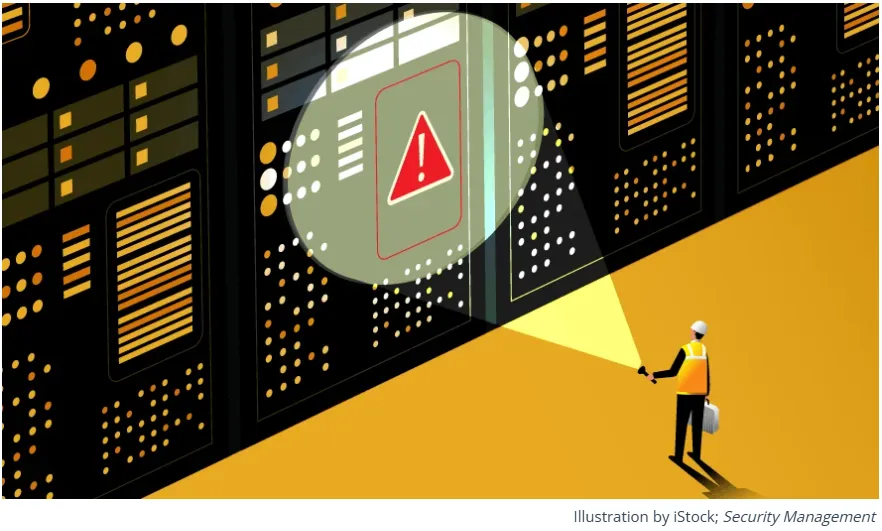
In high-stimulus environments like security operations, relying solely on physiological responses can lead to false alarms, missed threats, and disrupted workflows. In security environments where both throughput and precision are mission-critical, understanding how the human brain works under pressure is not just interesting—it’s essential.
Elizabeth Butson, publisher emeritus of The Villager, riOdetta honored with the first Music Legends Awardght, presents Odetta with the inaugural Village Music Legends Award.
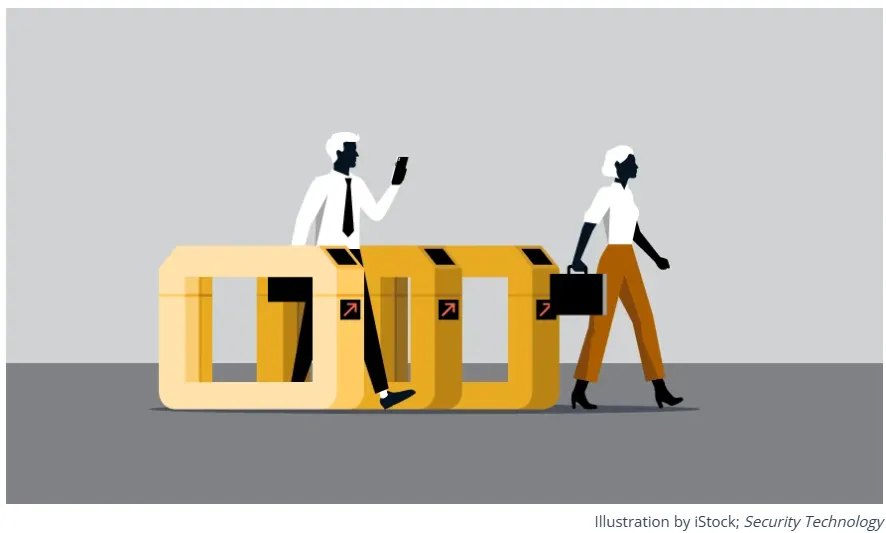
The core challenge for security professionals is finding a solution that can reduce risk, expenses, and shrinkage, while maximizing employee throughput.

Data center operators can take a strategic approach to upgrades or retrofits of systems to enhance security. Here are some tips to keep in mind.

Thoughtful, manned screening solutions supported by trained personnel can offer a path forward that fosters trust, connection, and protection on campus.

While unlikely, the potential for a chemical attack at a major sporting event cannot be discounted. Here are strategies to help security managers mitigate the threat.

Security screeners at airports use a variety of equipment to check luggage and people for prohibited items. That equipment generally depends on two types of radiation to work.
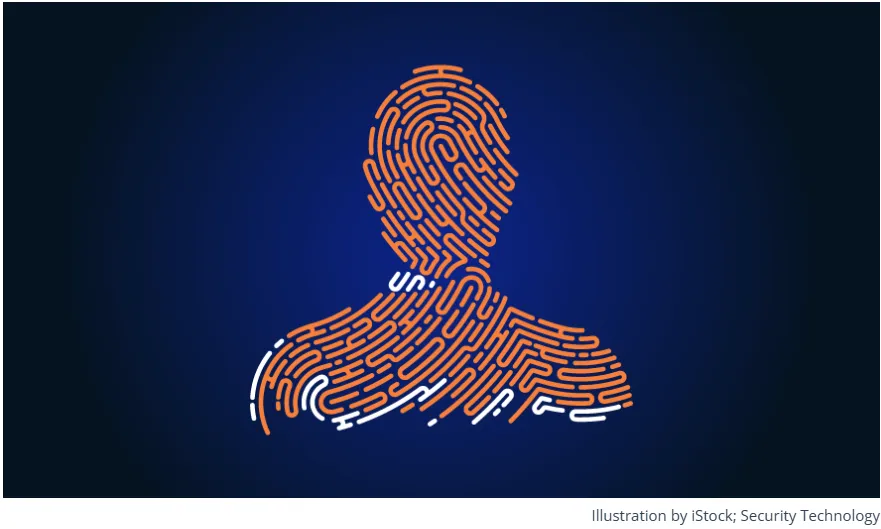
To close a critical security gap, leaders need a new framework built on three pillars: visibility, adaptive defense, and identity-infused response.

Physical access control systems have served as the backbone of physical security programs for a long time. At the same time, their limitations are now becoming more apparent as organizations grow more complex.

The JJ Mack Building in London wanted to create a more seamless experience for tenants accessing the building. It turned to a mobile wallet solution from Wavelynx.
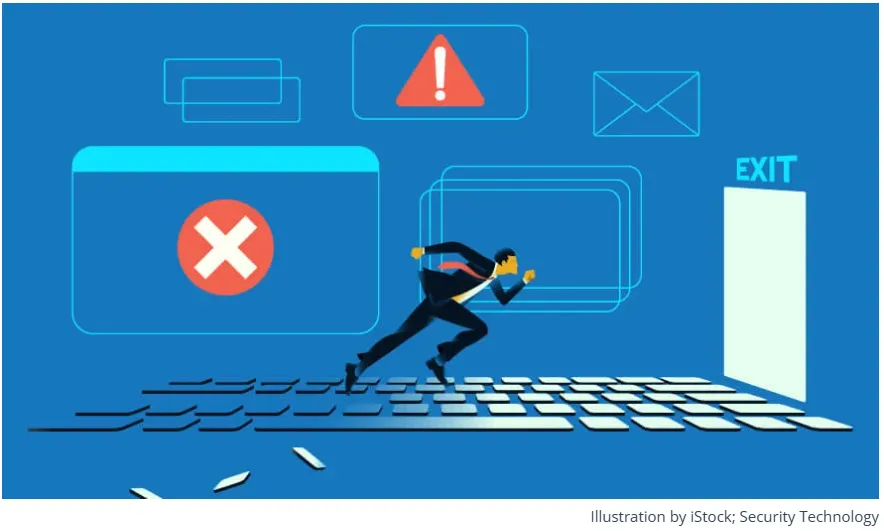
For years, organizations have treated physical and cyber identity management as separate applications. IT departments have managed digital credentials—usernames, passwords, and system access—while facilities or physical security teams have handled real-world access to doors, rooms, and restricted zones.
But in an era where hybrid threats have become commonplace and compliance expectations continue to intensify, this division no longer makes sense.
But in an era where hybrid threats have become commonplace and compliance expectations continue to intensify, this division no longer makes sense.

Digital identities make it easier for people to access critical assets or complete transactions. The U.S. National Institute of Standards and Technology provides guidance on how to manage those identities effectively.

What's in store for October? Click through to find out!